How To Turn Your Car Into A Sanitizing Station

April 13, 2020

Share this article

COVID-19 is changing the way that we look at things. Your car is your transportation. But, could it be more? With a little bit of cleaning and innovation, you can turn it into a sanitizing station. This way, wherever you go, you can rely on your car as a sanitary safe haven to protect you from the pandemic.


Why a sanitizer station?


Imagine you are leaving work and headed home. You have no idea what you could have come into contact with at work, especially in today’s world. Now, you are going to get inside of your car, drive home, and interact with your family.


Your car has to be a sanitizer station when you think about it. Otherwise, how are you going to get rid of germs after leaving work? You can’t simply wash your hands when you get home and expect all to be forgiven. You must sanitize every step of the way.


Even if you’re not an essential employee, there may be the need to go places. You may have to fight the crowds at a grocery store, pick up food from a local restaurant, or check on an elderly parent.


Your car has to be a way for you to sanitize so you’re not allowing germs to sit on your skin any longer than absolutely necessary. You have to do your part to flatten the curve and prevent getting coronavirus. With a bit of sanitization, you can make it easier to protect yourself.


How to Clean Your Car


If you are going to turn your car effectively into a sanitizing station, every surface needs to be cleaned properly. This includes not only the steering wheel but also every other surface that you could potentially touch.


Not all cleaners are going to get the job done. According to the CDC, alcohol solutions consisting of at least 70% alcohol will be effective in killing the coronavirus. This means that you will want to use an isopropyl alcohol-based cleaner throughout the different surfaces of your car.


Some of the hotspots you will want to include are:


  • Door handles inside and out
  • Steering wheel
  • Shift knob
  • Window control buttons
  • Turn signal and windshield wiper stalks
  • Armrests
  • Seat adjusters
  • Grab handles
  • Radio controls


If your vehicle does have a touchscreen, be sure you don’t use ammonia on it. Otherwise, you can accidentally strip the anti-glare and anti-fingerprint coating that is in place.


Additionally, if you cannot find products that contain at least 70% alcohol, you can also use soap and water. The CDC is also updating its website of products that have proven to be effective in killing the coronavirus. It can make it easier to know what to use so that you can use quality products inside your car.


If you have fabric upholstery, avoid using too much water. Otherwise, you could inadvertently start growing mold within the cushions or experience a musty smell.


Additionally, if you have leather anywhere, white gently as opposed to rubbing vigorously. Otherwise, you could end up removing the color from the dye inside of the leather.


Adding the Necessary Level of Sanitation


As you work to turn your vehicle into a sanitizing station, use gloves. Otherwise, you could be accidentally cross-contaminating areas that have already been cleaned. As you move to a different area, change your gloves.


Once you are sure that your car has been thoroughly cleaned and sanitized, you are ready to take it to the next level.


Each and every time you get into your car, you will want to sanitize yourself from anything that you have touched. Be sure that you have sufficient sanitizing products inside. This can include liquid or gel sanitizer or sanitizing hand wipes.


The method used to get the sanitizer out can be tricky as you may have to touch it with unsanitized hands. This can lead to a vicious circle of not being as sanitized as you think you are. Look at exploring a sanitizer solution that will dispense the sanitizer in a touch-freeway. There are various dispensers that use motion sensors. If all else fails, you can use your elbow or wrist as a way to work the pump so that you aren’t using unsanitized fingers in the process.


Take it to the Next Level


Whether you simply want to keep a sanitized vehicle or you plan to spend a lot of time inside, sanitizing yourself from the outside world, you have to be comfortable. Various things can be done to ensure that you’re not only comfortable but well protected.


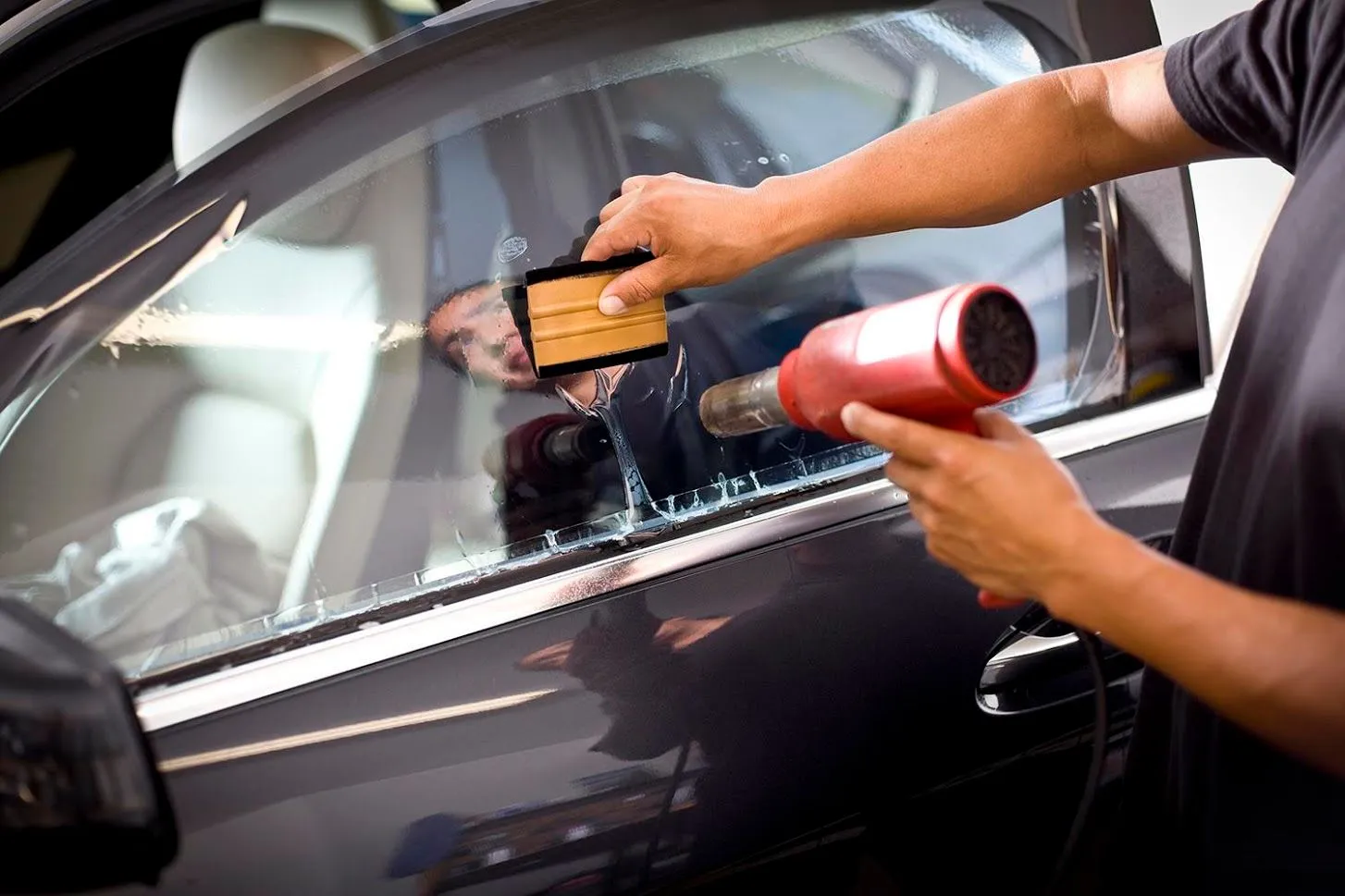
Add auto film to the windows. The UV rays can add a significant amount of heat to the interior of your car. With premium auto film, you can block most of the rays. It reduces the interior temperature considerably. It also protects the interior materials from being destroyed by extreme heat over time.


Protect other components. From your smartphone to your car’s touchscreen, you’re doing a lot of touching. During the pandemic, anything you touch could mean the spread of the virus. With RX antimicrobial film can be added to various computer screens and monitors to help establish a protective barrier.


Implement seat covers. If you have fabric seat covers, it’s hard to keep them clean. You don’t know what kinds of germs they’ve absorbed in the months or years since you bought the car. By adding seat covers – leather, vinyl, or otherwise, it makes it easier for you to wipe down seats and eliminate germs.


With a little bit of work on your part, your car can be the safest place for you to spend time. Your sanitizing station can keep you safe from the germs passed to you by others, various objects that you touch, and more. It could be what keeps your sanity until the threat of the COVID-19 pandemic has passed once and for all.


Discover more about protecting you and your car at G-Force Automotive Films today. We’ll provide advice and talk to you about our services.

Recent Posts

March 18, 2026
When people think of building security, they often imagine alarms, cameras, and reinforced doors. But there’s one powerful layer of protection many overlook – security window film. This nearly invisible shield can safeguard your property from far more than just break-ins. From natural disasters to UV damage, the benefits extend well beyond deterring burglars. In this article, we’ll explore how security film for windows enhances both safety and comfort in homes and commercial spaces. What Is a Security Window Film? Security window film is a durable, multi-layered polyester film applied directly to the interior surface of glass windows or doors. It’s designed to hold glass fragments together upon impact – whether from forced entry, accidents, or natural disasters. Unlike ordinary window tint, this safety and security window film adds structural integrity to the glass, making it much harder to shatter or penetrate. Key Benefits of Security Window Film Security films deliver multiple layers of protection and practical advantages: Intrusion Resistance: Makes breaking through glass significantly harder. Accident Protection: Reduces the risk of injury from broken shards. UV Filtering: Blocks up to 99% of harmful ultraviolet rays. Energy Efficiency: Helps regulate indoor temperature and lower energy bills. Privacy Enhancement: Tinted versions reduce visibility from outside. Each benefit contributes to both personal safety and property longevity, making it an essential upgrade for homeowners and businesses alike. Protection Against Intruders and Break-Ins One of the most common reasons people install home security window film is to protect against burglaries. Glass is often the weakest point of entry, and criminals exploit that vulnerability. Security film on windows creates a powerful barrier that delays forced entry, buying critical time for occupants to react or for authorities to respond. When a window with security film is struck, the glass may crack, but typically remains intact within the frame. The adhesive layers hold the shards together, making it difficult for intruders to break through quietly or quickly. This delay can be the deciding factor between a successful intrusion and a thwarted attempt. Additionally, for commercial properties, commercial security window film plays a vital role in safeguarding merchandise, confidential materials, and sensitive equipment. Reinforce your glass with the best security window film. Get a Quote Shielding Against Accidents and Impact Accidents happen when we least expect them. A stray ball, a clumsy elbow, or even an accidental fall against a glass door can lead to dangerous shattering. That’s where security window film steps in as an invisible safeguard. When applied to glass, protective window film for homes holds shards firmly in place upon impact. This dramatically reduces the risk of lacerations or injuries from flying glass fragments. The same principle applies in commercial environments, where high foot traffic and active workspaces increase the risk of accidental collisions. For families with children or pets, this extra layer of safety brings peace of mind. Even if a window cracks, it won’t scatter pieces across the floor. In office or retail settings, it helps maintain a professional and hazard-free environment – minimizing downtime and liability from workplace accidents. Defense from Natural Disasters and Extreme Weather While security film for windows is known for deterring break-ins, it’s also an unsung hero during storms, earthquakes, and other natural disasters. High winds, flying debris, or sudden pressure changes can cause unprotected glass to shatter violently. Safety and security window film helps hold the pane together, reducing interior damage and keeping occupants safer. During hurricanes or windstorms, this feature can mean the difference between manageable damage and catastrophic loss. For regions prone to earthquakes or tornadoes, commercial security windows and residential security films alike provide crucial protection against airborne debris and shattered glass injuries. UV Protection and Interior Preservation Beyond physical security, security window tint film serves another valuable role – protecting interiors from the damaging effects of ultraviolet (UV) radiation. Prolonged exposure to sunlight can fade flooring, furniture, art, and fabrics. Over time, UV rays deteriorate materials and dull interior aesthetics. High-quality security film on windows can block up to 99% of UV radiation, acting as both a protective and preventive measure. This benefit extends to residential and commercial spaces alike, preserving investments and reducing replacement costs. For retail businesses, this protection helps maintain the appearance of storefront displays and prevents merchandise from fading under direct sunlight. Homeowners, meanwhile, enjoy longer-lasting décor and improved comfort without sacrificing natural light. Energy Efficiency and Comfort As energy costs rise, improving efficiency has become a top priority for property owners. Surprisingly, security film for windows can also contribute to energy savings. Some advanced films include heat-control layers that reduce solar heat gain in summer and retain warmth during winter. This thermal insulation effect helps regulate indoor temperatures, decreasing the load on air conditioning and heating systems. Consequently, spaces stay comfortable year-round with less energy consumption. According to industry data, properly installed home security window film can reduce energy costs by up to 10–15% annually, depending on climate and window orientation. That makes it a smart, dual-purpose investment – improving both comfort and security while paying for itself over time. Privacy and Aesthetic Benefits Privacy is one of the most underrated advantages of installing security window film. For homes near busy streets or offices located on ground floors, glass windows can feel like open invitations to prying eyes. The addition of security window tint film provides a perfect balance between openness and discretion – allowing natural light in while limiting outside visibility. Tinted and reflective versions of security film for windows come in a variety of finishes, from subtle neutral tones to mirrored or frosted looks. This makes them ideal for both residential and commercial security windows, enhancing privacy without sacrificing aesthetics. Beyond privacy, many people choose window protection film for its polished appearance. It gives glass a sleek, uniform look that elevates the overall design of a building. In commercial settings, this aesthetic upgrade also contributes to a professional and cohesive brand image – all while strengthening physical security. Get professional advice and explore the security window film cost. Schedule an Appointment Cost-Effectiveness and Long-Term Value Investing in security window film offers long-term savings that extend far beyond its initial installation cost. The security film for windows cost varies based on factors like film thickness, type, and installation complexity, typically ranging from $7 to $15 per square foot for residential applications and $10 to $20 per square foot for commercial-grade films. While that may seem like a moderate investment upfront, the value becomes evident over time. The film’s durability means it can last 10 to 15 years or more, maintaining its strength and clarity with minimal maintenance. Combined with energy savings, UV protection, and enhanced safety, it offers an impressive return on investment. For businesses, commercial security window film also helps lower insurance premiums by reducing property damage risks – a benefit many building owners overlook. When factoring in energy efficiency, reduced replacement costs, and accident prevention, the film quickly pays for itself. Conclusion From protecting against break-ins to shielding interiors from UV damage, security window film is one of the most versatile and cost-effective upgrades for any property. It reinforces glass, prevents dangerous shattering, reduces heat and glare, and enhances privacy — all without altering your building’s appearance. If you’re considering improving your building’s safety and comfort, start by consulting a certified installer like G-Force Films . We can help you choose the best security window film suited for your goals, budget, and environment. FAQ  What is a security window film? Security window film is a clear, durable polyester layer applied to glass that strengthens it and prevents dangerous shattering. How does security window film protect against intruders? It holds glass fragments together, delaying break-ins and preventing easy access through windows or doors. Can security window film help with energy efficiency? Yes. Many films reflect heat in summer and retain warmth in winter, reducing energy costs and improving comfort.
March 18, 2026
Quick Answer: Georgia requires a minimum of 32% VLT (Visible Light Transmission) on front side windows for all vehicles. Back side windows and rear windows follow different rules depending on whether you drive a sedan or an SUV/truck. There is no statewide ban on windshield tint above the AS-1 line. If you’re wondering what the legal tint in GA is before booking an appointment or if you just got a tint ticket and want to understand the law, you’re in the right place. Georgia’s window tint regulations are set forth in O.C.G.A. § 40-8-73.1 and apply to every vehicle registered or driven in the state. The rules haven’t changed in years, but confusion is common because the limits vary by window position and vehicle type. Below, we break down everything: VLT percentages for each window, what happens if you get pulled over, how medical exemptions work, and how to ensure your tint is installed the first time. At G Force Films in Savannah, our window film specialist, Craig, has over 26 years of experience helping drivers get the darkest legal tint in GA without risking a ticket. Understanding VLT: What the Numbers Mean  VLT stands for Visible Light Transmission. It’s the percentage of visible light that passes through your window film and glass combined. A lower VLT number means a darker tint:
September 18, 2024
Car owners often face the dilemma of choosing between DIY ceramic coating and professional services. DIY can save money and provide a hands-on experience, but professionals offer expertise and quality that’s hard to match. This article will compare DIY vs. professional ceramic coating, using expert insights and real-world experiences to help you decide the best option for your vehicle. The Cost Factor DIY Costs When considering DIY ceramic coating, the initial investment may seem appealing. A DIY ceramic coating kit typically costs between $50 to $200, depending on the brand and quality. However, that’s just the start. You’ll also need tools like applicator pads, microfiber towels, and potentially a dual-action polisher if you’re serious about getting a smooth finish. These additional tools can add another $100 to $300 to your expenses. Don’t forget the time factor—applying a ceramic coating yourself can take anywhere from several hours to a couple of days, especially if it’s your first time. Professional Costs On the other hand, opting for a professional ceramic coating comes with a higher upfront cost. A professional application can range from $500 to $2,000 or more, depending on the level of service and the size of your vehicle. This price typically includes a thorough paint correction, which is essential for achieving the best results. Professional detailers have the experience and tools necessary to ensure the coating is applied evenly and effectively. Some services might offer additional perks like warranties or maintenance packages, which can add value to your investment. Price alone shouldn’t be your only consideration when choosing between DIY and professional ceramic coating. One Reddit user shared a story about customers who tried DIY coating, only to damage their paint or leave visible streaks. Fixing these mistakes professionally was costly, making the initial DIY savings less attractive in hindsight.

September 4, 2024
Your car is a big investment, and you want it to stay looking good for as long as possible. But with things like scratches, rock chips, and sun damage, protecting your car’s paint can be a challenge. Two popular solutions are Paint Protection Film (PPF) and Vinyl Wrap. In this article, we’ll compare PPF and Vinyl Wrap to help you decide which option is best for keeping your car in great shape. What Is Paint Protection Film (PPF)? Paint Protection Film (PPF), often called a clear bra, is a thin, transparent urethane film designed to protect your car’s paint from damage. This invisible shield acts as a barrier against everyday hazards like rock chips, scratches, and UV rays, helping to keep your car looking brand new. Key Features Self-Healing Properties : PPF has the unique ability to heal itself. When the film gets scratched or scuffed, exposure to heat helps it return to its original, smooth state, making minor damage virtually disappear. Transparency : PPF is completely transparent, meaning it won’t alter the appearance of your car’s paint. Durability : Made from a durable and flexible material, PPF is designed to withstand the wear and tear of daily driving. Common Uses PPF is especially beneficial for: Luxury and High-Performance Cars : Ideal for those who want to maintain a pristine look. Vulnerable Areas : Commonly applied to the hood, bumper, and side mirrors to protect against road debris. Harsh Environments : Perfect for cars frequently exposed to harsh weather or parked in the sun, providing long-lasting protection. What Is Vinyl Wrap? Vinyl Wrap is a thin, flexible film made from PVC (polyvinyl chloride) that’s applied to the surface of your car to change its appearance. Unlike traditional paint jobs, Vinyl Wrap allows you to customize your vehicle’s look without the need for permanent alterations while not comprising the original factory paint. Key Features Material : Made from durable PVC, Vinyl Wrap is designed to withstand the elements while offering a sleek finish. Variety of Colors and Finishes : Vinyl Wraps come in an extensive range of colors, textures, and finishes—everything from matte and gloss to metallic and carbon fiber—giving you endless possibilities for personalization. Adhesive Properties : The wrap has a specially formulated adhesive that’s safe to apply directly to your car’s paint. It adheres securely but can be removed without damaging the original finish. Common Uses Vinyl Wrap is popular for: Complete Vehicle Makeovers : Easily change the color or design of your entire car without repainting. Partial Wraps : Customize specific parts of your vehicle, such as the roof, hood, or side mirrors, for a unique look. Temporary Customization : Ideal for those who want to experiment with different styles, as it can be removed or replaced with ease. Key Differences Between Paint Protection Film and
April 22, 2024
When it comes to window tinting, car owners like Dave and Pam face a common decision: go the DIY route to save some upfront costs or opt for professional installation for guaranteed quality and durability. In this blog, we’ll explore why choosing professional installation is the smart choice, comparing Dave’s attempt to save money through DIY methods and Pam’s decision to invest in professional services. DIY Cost-Saving vs. Professional Quality DIY Dave Dave begins his day motivated by the idea of saving money. Influenced by a few online videos and forum posts, he decides on a DIY window tinting approach, thinking it’s just a matter of buying the film and sticking it on. The potential cost savings loom large in his mind, overshadowing the potential technical challenges he could encounter. Pro Pam Pam, on the other hand, is already thinking steps ahead. She opts to choose a local shop for her window tinting needs. Pam understands that while the cost is higher upfront when hiring professionals, the investment is justified by the benefits. She knows this choice guarantees a high-quality job that will not only look better, but will also last longer and perform better. Overall, Pam values the peace of mind that comes from knowing her car is in the hands of seasoned professionals. Reason #1. Professional Installations Are Warranty-Backed When you opt for professional window tinting from a trusted provider, you’re not just getting expert installation—you’re also securing robust warranty protections that DIY methods cannot match. At G-Force, we use XPEL PRIME Automotive Window Film, a leading product in the industry, backed by a comprehensive manufacturer’s warranty. This means if any issues arise in the future, such as discoloration, fading, bubbling, peeling, cracking, or delamination, you’re covered. DIY Research and Professional Consultation DIY Dave Eager to get started, Dave heads online and grabs the first window tint film he finds. He makes his selection based solely on price, overlooking the specific requirements such as the size and shape of his car’s windows, and the film’s suitability for his car’s needs and local climate. Pro Pam Pam visits the shop, where she is consulted by the team who take the time to understand her needs and the specificities of her vehicle. The experts consider factors such as her car’s model, the regional climate, and local legal requirements for tint levels. They guide her in choosing the best type for her! Reason #2. Professional Installers Are Experts At professional shops, including G-Force Films, experts don’t just apply tint; they conduct a thorough assessment of each customer’s needs. This includes considering the make and model of your vehicle, the typical Savannah weather conditions (if you’re a local), and how you use your car—whether it’s for short city trips or longer commutes. This personalized approach allows us to recommend the best type of tint film that meets your specific requirements for UV protection, heat reduction, and privacy. On the other hand, DIY tinting often relies on a one-size-fits-all approach, where the information available online may not consider unique aspects of your car or your needs. This can lead to a less effective tint, potential legal issues, and ultimately, wasted effort and resources. DIY Challenge vs. Expert Precision DIY Dave Dave sets up in his garage, ready to apply the tint himself. Without the proper tools or environment, he struggles from the start. The film sticks unevenly, and air bubbles appear as he attempts to smooth it out. Dave finds it challenging to align the edges correctly, resulting in a tint that is visibly flawed and likely to peel or fade prematurely. His initial excitement turns to frustration as he realizes that the application is far more complicated than he anticipated. Pro Pam At the facility, Pam is confident as she leaves her car in the hands of certified professionals. She trusts the uncompromising quality and expert installation they offer. With her car in reliable hands, Pam decides to use her time efficiently and goes shopping, enjoying her afternoon without worry. Reason #3. Professional Installation Saves You Time Choosing professional window tinting with a professional means significant time savings compared to DIY efforts. A DIY window tinting project typically involves a steep learning curve that can significantly prolong the task. Many first-timers struggle with cleaning the windows, precisely cutting the film, and applying it without bubbles or wrinkles, often taking an entire day or more, particularly if any corrections are needed. For example, our skilled technicians are trained to handle every aspect of window tinting with precision, from preparing the windows to applying the film flawlessly—getting you back on the road in just hours. DIY Pitfalls vs. Professional Perfection DIY Dave Dave steps back to assess his work and the flaws are immediately evident. The tint is uneven, with air bubbles and wrinkles that no amount of smoothing can fix. The edges aren’t properly sealed, suggesting that peeling is inevitable. Disappointed and frustrated, he realizes that not only does the tint look amateurish, but it might also not even fulfill its functional purpose of UV and glare reduction. He starts contemplating the daunting task of removal and whether he’ll need to seek professional help to redo the job. Pro Pam After returning from her afternoon out, Pam is greeted with her car looking transformed. The tint is applied perfectly with no visible defects. The edges are smooth, and the coverage is consistent, enhancing her vehicle’s aesthetics significantly. More importantly, she knows that the high-quality film used by the professionals will ensure optimal functionality, effectively blocking harmful UV rays and reducing solar heat. Satisfied, Pam knows that her investment was worthwhile. Reason #4. Professional Installation Outperforms DIY The combination of high-quality films and professional-grade tools ensures that the tint application is not only beautiful, but also highly effective in performance. At G-Force Films, our technicians are XPEL-certified, meaning they have undergone rigorous training and met stringent standards in window tinting techniques and technology. While other shops may not have this distinction, trained technicians still have the skills to easily avoid common window tint issues, delivering quality that is simply unachievable with typical DIY kits. The Real Costs of DIY vs. Professional Tinting DIY Dave After a long and frustrating day, Dave sits back and reflects on his attempt to tint his own car windows. The realization of time wasted, coupled with the subpar results, weighs heavily on him. The cost of the materials, now seemingly a waste, and the prospect of having to pay not only for new tint, but also potentially for professional removal of his failed attempt, loomed over his evening. Dave starts to recognize the false savings of his initial choice to DIY and considers turning to professionals to fix his mistakes. Pro Pam Pam enjoys her drive home as the sun sets, appreciating the comfort and functionality of her professionally tinted windows. She reflects on her decision to invest in professional services and is pleased with the outcome. The seamless look of her tint, combined with the knowledge that it is applied correctly and is protected in case of potential defects, brings her immense satisfaction. Pam feels reassured by the professionalism and the quality of her choice, knowing her investment has not only enhanced her car’s aesthetics, but also its long-term value. Reason #5. Professional Installation is More Cost-Effective It’s a common misconception among DIY enthusiasts that handling window tinting themselves will always save money. However, the reality often proves otherwise, as the potential for mistakes, absence of warranties, and legal non-compliance can lead to unforeseen expenses, outweighing the initial cost savings. On the other hand, professional installation by services like G-Force Films not only ensures a flawless application with industry name materials, but also comes with warranties and compliance guarantees, providing results that last in the long run. Don’t Settle for Less, Choose G-Force Films While DIY window tinting might seem tempting as a way to save money, the risks of DIY tinting are numerous and can end up costing more in the long run. Don’t be like Dave—make the smart choice by opting for professional window tinting with G-Force Films .  Don’t compromise on the quality and durability of your window tinting; contact G-Force Films today and ensure your car receives the professional touch it deserves.
January 23, 2024
Revamping the appearance of your car is a chance to express your style and make a statement on the road. The question is, should you opt for a traditional paint job or go for a modern car wrap? Both paths offer a way to personalize your car, but they differ significantly in terms of cost, design versatility, and protection. Here are six reasons why you should wrap your car instead of painting it. 1.Cost Comparison: Vinyl Car Wrap vs Traditional Paint Job When considering vehicle customization, budget plays a crucial role. Average Cost of Car Painting: A standard paint job for a car can cost anywhere from $5,000 to $10,000, depending on the quality of the materials and labor. High-end paint jobs can even go beyond this range, especially for custom designs or luxury vehicles. Average Cost of Car Wrapping : In contrast, a high-quality vinyl wrap generally ranges from $2,500 to $5,000. This significant difference makes wrapping a more budget-friendly option for many car owners. Imagine you need to customize your fleet of 10 vehicles. Initially, you consider a traditional paint job, which averages around $7,000 per vehicle. This would total an overwhelming $70,000 for the entire fleet. However, you then explore the option of vinyl car wraps. You discover that wrapping each vehicle would cost approximately $3,500, summing up to $35,000 for all 10 vehicles. This approach not only saves you $35,000, but also offers the flexibility to design each vehicle uniquely, enhancing your brand visibility on the streets. This hypothetical scenario demonstrates the cost efficiency and versatility of choosing vinyl wraps over traditional painting for vehicle customization. It’s not just about saving money; it’s also about maximizing the impact of your investment. 2. Car Wrap Quality: Why It Outlasts Paint in Long-Term Vehicle Care When it comes to maintaining the aesthetic appeal and structural integrity of your car, the choice between vehicle wrapping and traditional painting is crucial. Vehicle wraps not only offer a high-quality finish, but also provide an additional layer of protection for your car’s original paint. Preserving Your Vehicle’s Original Paint One of the significant advantages of opting for a vinyl wrap is the protection it offers to your car’s underlying paint. Wraps act as a shield against various elements that can damage the paint, such as scratches, UV rays, and general weathering. It’s important to note that vinyl wraps do not offer the same level of protection as paint protection film and is not recommended as an alternative. Durability and Appearance Maintenance Vinyl wraps are renowned for their durability and ability to maintain their appearance over time. Unlike traditional automotive paint, which is prone to chipping, fading, and scratching, high-quality vinyl wraps can withstand these challenges with greater resilience. They are specifically designed to resist environmental factors like sun exposure, hazardous weather conditions, and the abrasions from road debris. 3. Custom Car Wraps: Unmatched Personalization & Design Flexibility Vehicle wrapping services not only surpass traditional paint jobs in terms of durability, but also offer unparalleled design possibilities. Unlike paint, which is limited in finishes and requires extensive work for intricate designs, vinyl wraps open a world of creativity for your vehicle. Range of Designs and Finishes Vinyl wraps come in a diverse array of colors and finishes, allowing for complete customization of your vehicle. Whether you prefer a sleek matte finish, a glossy sheen, or even a textured effect, vinyl wraps can achieve it all. The options are virtually limitless, ranging from simple color changes to intricate custom graphics , patterns, and even photo-realistic designs. Unique Personalization One of the standout benefits of vinyl wraps is their ability to offer unique personalization options that paint simply cannot match. With vinyl wraps, you have the freedom to experiment with bold designs or subtle accents without permanent commitment. If you desire a complete makeover or wish to showcase your brand with custom graphics, vinyl wraps make it possible with ease and precision. Long-Lasting Quality While an amateur auto paint job might look fantastic at first, over time, it’s prone to cracking, fading, and scratching. High-quality paints, despite their durability, are still more susceptible to wear and tear from environmental factors like sun exposure, hazardous weather, and road debris. In contrast, car wraps provide robust protection against these elements. 4. Boosting Car Resale Value: Benefits of Choosing Wraps Over Paint In the ever changing world of car ownership, the resale value of your vehicle is an important consideration. Opting for a vinyl wrap instead of traditional paint can be a strategic decision that positively impacts your car’s market value. Preserving Vehicle Value with Vinyl Wraps The condition of a car’s exterior plays a significant role in determining its resale value. Vinyl wraps provide an essential layer of protection to your vehicle’s original paint, safeguarding it from scratches, fading, and environmental damage. This preservation of the original paint can be a critical factor in maintaining or even increasing the resale value of your vehicle. When potential buyers see a car that maintains its original, unblemished paint, they are often willing to pay a premium. This is especially true for high-end or luxury vehicles, where paint condition is a top priority for buyers. Flexible Customization with No Long-term Commitment Another key advantage of car wraps is the flexibility they offer. You can customize your vehicle according to your current preference, and when it’s time to sell, the wrap can be easily removed to reveal the pristine, original paint underneath. This flexibility is highly appealing in the resale market, as it assures buyers that the vehicle can be returned to its original state or customized further to their liking. Moreover, unlike paint jobs that can sometimes be viewed as permanent alterations potentially diminishing a car’s value, a high-quality wrap is seen as a value-adding protective measure. 5. Vehicle Wrap Installation Time: Faster Turnaround Compared to Painting Time is a commodity we all value. The process of wrapping a car is notably faster than traditional painting. A standard car wrap installation at G-Force Films is typically completed within just a week. This expedited timeline is a fraction of the time required for a paint job, which can often extend for weeks. The key lies in our streamlined procedures and expert technicians who are skilled at delivering top-quality results in minimal time. No Downtime with ‘Outgassing’ An additional advantage of choosing a vinyl wrap over paint is the elimination of ‘outgassing’ time. Painting a car involves waiting for the paint to dry and cure, a process that can extend the overall completion time. With vinyl wrapping, there’s no such downtime. Once the wrap is applied, your vehicle is ready to hit the road. Ready to Enjoy Immediately Upon completion of the wrap installation, your car will be immediately ready for use. This quick turnaround means you won’t be inconvenienced by extended periods without your vehicle. Whether you need your car for daily commutes, business purposes, or personal enjoyment, we ensure you’re back on the road in style, without unnecessary delays. 6. Maintenance: Effortless Upkeep for Your Wrapped Car Another compelling reason to choose vinyl wrapping over painting is the ease of maintenance. Unlike traditional paint jobs, vinyl wraps require minimal effort to keep them looking pristine. Simplified Cleaning Process One of the biggest perks of having a vinyl-wrapped car is that there’s no need to wax. This not only saves time but also cuts down on the long-term maintenance costs associated with regular waxing. Effortless Rinse-Off After washing your car with the appropriate shampoo(designed specifically for wraps), a simple rinse is all it takes to have your vehicle looking as good as new. This hassle-free cleaning method is a stark contrast to the meticulous care required for maintaining a paint job. Long-Term Benefits Regular maintenance of a vinyl wrap is straightforward and contributes to the longevity of the wrap’s appearance. This makes it an ideal choice for car owners who prefer a low-maintenance option for keeping their vehicle looking great. Superior Car Wrapping Solutions in Savannah  If you want to customize your vehicle, call the experienced car detailing team at G-Force Films today! With decades of experience, we specialize in car wrapping , paint protection film (PPF) , window tinting , and more. To learn more about our vehicle wrapping services, call us today at (912) 655-2888 . We can’t wait to hear from you!
Show More