

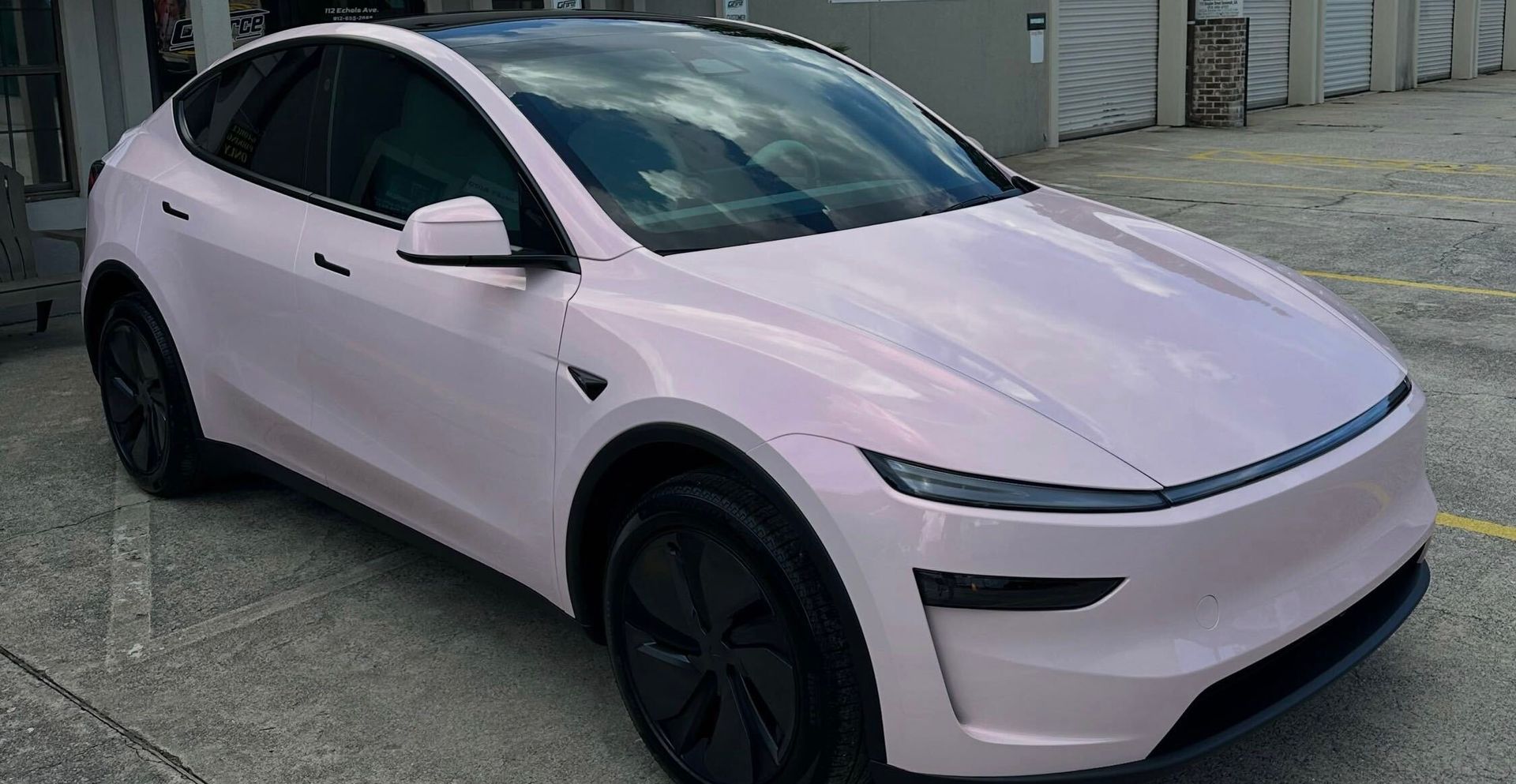
See real PPF pricing for Savannah drivers, from partial fronts to full-vehicle coverage. XPEL-certified installation, CARFAX documentation, and financing available.
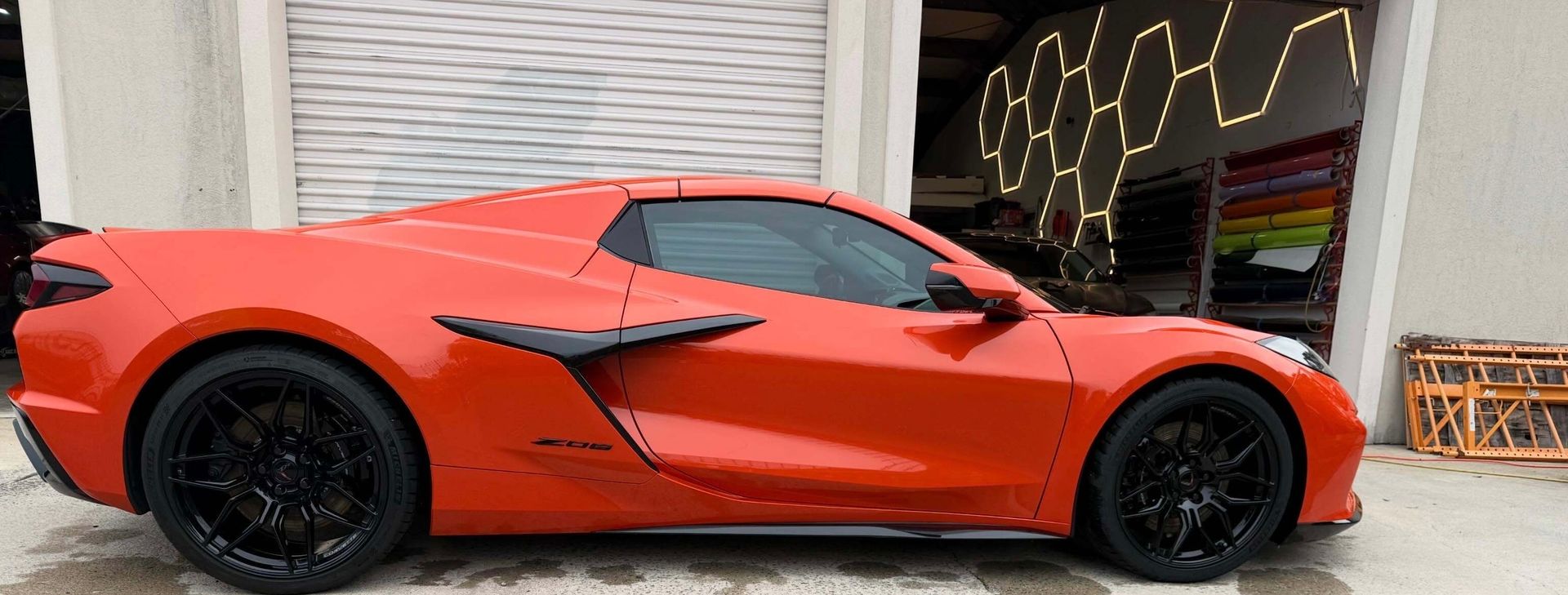
Wondering what ceramic coating costs in Savannah? See what factors affect pricing and what to expect before booking with G-Force Films.
When people think of building security, they often imagine alarms, cameras, and reinforced doors. But there’s one powerful layer of protection many overlook – security window film. This nearly invisible shield can safeguard your property from far more than just break-ins. From natural disasters to UV damage, the benefits extend well beyond deterring burglars. In this article, we’ll explore how security film for windows enhances both safety and comfort in homes and commercial spaces. What Is a Security Window Film? Security window film is a durable, multi-layered polyester film applied directly to the interior surface of glass windows or doors. It’s designed to hold glass fragments together upon impact – whether from forced entry, accidents, or natural disasters. Unlike ordinary window tint, this safety and security window film adds structural integrity to the glass, making it much harder to shatter or penetrate. Key Benefits of Security Window Film Security films deliver multiple layers of protection and practical advantages: Intrusion Resistance: Makes breaking through glass significantly harder. Accident Protection: Reduces the risk of injury from broken shards. UV Filtering: Blocks up to 99% of harmful ultraviolet rays. Energy Efficiency: Helps regulate indoor temperature and lower energy bills. Privacy Enhancement: Tinted versions reduce visibility from outside. Each benefit contributes to both personal safety and property longevity, making it an essential upgrade for homeowners and businesses alike. Protection Against Intruders and Break-Ins One of the most common reasons people install home security window film is to protect against burglaries. Glass is often the weakest point of entry, and criminals exploit that vulnerability. Security film on windows creates a powerful barrier that delays forced entry, buying critical time for occupants to react or for authorities to respond. When a window with security film is struck, the glass may crack, but typically remains intact within the frame. The adhesive layers hold the shards together, making it difficult for intruders to break through quietly or quickly. This delay can be the deciding factor between a successful intrusion and a thwarted attempt. Additionally, for commercial properties, commercial security window film plays a vital role in safeguarding merchandise, confidential materials, and sensitive equipment. Reinforce your glass with the best security window film. Get a Quote Shielding Against Accidents and Impact Accidents happen when we least expect them. A stray ball, a clumsy elbow, or even an accidental fall against a glass door can lead to dangerous shattering. That’s where security window film steps in as an invisible safeguard. When applied to glass, protective window film for homes holds shards firmly in place upon impact. This dramatically reduces the risk of lacerations or injuries from flying glass fragments. The same principle applies in commercial environments, where high foot traffic and active workspaces increase the risk of accidental collisions. For families with children or pets, this extra layer of safety brings peace of mind. Even if a window cracks, it won’t scatter pieces across the floor. In office or retail settings, it helps maintain a professional and hazard-free environment – minimizing downtime and liability from workplace accidents. Defense from Natural Disasters and Extreme Weather While security film for windows is known for deterring break-ins, it’s also an unsung hero during storms, earthquakes, and other natural disasters. High winds, flying debris, or sudden pressure changes can cause unprotected glass to shatter violently. Safety and security window film helps hold the pane together, reducing interior damage and keeping occupants safer. During hurricanes or windstorms, this feature can mean the difference between manageable damage and catastrophic loss. For regions prone to earthquakes or tornadoes, commercial security windows and residential security films alike provide crucial protection against airborne debris and shattered glass injuries. UV Protection and Interior Preservation Beyond physical security, security window tint film serves another valuable role – protecting interiors from the damaging effects of ultraviolet (UV) radiation. Prolonged exposure to sunlight can fade flooring, furniture, art, and fabrics. Over time, UV rays deteriorate materials and dull interior aesthetics. High-quality security film on windows can block up to 99% of UV radiation, acting as both a protective and preventive measure. This benefit extends to residential and commercial spaces alike, preserving investments and reducing replacement costs. For retail businesses, this protection helps maintain the appearance of storefront displays and prevents merchandise from fading under direct sunlight. Homeowners, meanwhile, enjoy longer-lasting décor and improved comfort without sacrificing natural light. Energy Efficiency and Comfort As energy costs rise, improving efficiency has become a top priority for property owners. Surprisingly, security film for windows can also contribute to energy savings. Some advanced films include heat-control layers that reduce solar heat gain in summer and retain warmth during winter. This thermal insulation effect helps regulate indoor temperatures, decreasing the load on air conditioning and heating systems. Consequently, spaces stay comfortable year-round with less energy consumption. According to industry data, properly installed home security window film can reduce energy costs by up to 10–15% annually, depending on climate and window orientation. That makes it a smart, dual-purpose investment – improving both comfort and security while paying for itself over time. Privacy and Aesthetic Benefits Privacy is one of the most underrated advantages of installing security window film. For homes near busy streets or offices located on ground floors, glass windows can feel like open invitations to prying eyes. The addition of security window tint film provides a perfect balance between openness and discretion – allowing natural light in while limiting outside visibility. Tinted and reflective versions of security film for windows come in a variety of finishes, from subtle neutral tones to mirrored or frosted looks. This makes them ideal for both residential and commercial security windows, enhancing privacy without sacrificing aesthetics. Beyond privacy, many people choose window protection film for its polished appearance. It gives glass a sleek, uniform look that elevates the overall design of a building. In commercial settings, this aesthetic upgrade also contributes to a professional and cohesive brand image – all while strengthening physical security. Get professional advice and explore the security window film cost. Schedule an Appointment Cost-Effectiveness and Long-Term Value Investing in security window film offers long-term savings that extend far beyond its initial installation cost. The security film for windows cost varies based on factors like film thickness, type, and installation complexity, typically ranging from $7 to $15 per square foot for residential applications and $10 to $20 per square foot for commercial-grade films. While that may seem like a moderate investment upfront, the value becomes evident over time. The film’s durability means it can last 10 to 15 years or more, maintaining its strength and clarity with minimal maintenance. Combined with energy savings, UV protection, and enhanced safety, it offers an impressive return on investment. For businesses, commercial security window film also helps lower insurance premiums by reducing property damage risks – a benefit many building owners overlook. When factoring in energy efficiency, reduced replacement costs, and accident prevention, the film quickly pays for itself. Conclusion From protecting against break-ins to shielding interiors from UV damage, security window film is one of the most versatile and cost-effective upgrades for any property. It reinforces glass, prevents dangerous shattering, reduces heat and glare, and enhances privacy — all without altering your building’s appearance. If you’re considering improving your building’s safety and comfort, start by consulting a certified installer like G-Force Films . We can help you choose the best security window film suited for your goals, budget, and environment. FAQ What is a security window film? Security window film is a clear, durable polyester layer applied to glass that strengthens it and prevents dangerous shattering. How does security window film protect against intruders? It holds glass fragments together, delaying break-ins and preventing easy access through windows or doors. Can security window film help with energy efficiency? Yes. Many films reflect heat in summer and retain warmth in winter, reducing energy costs and improving comfort.
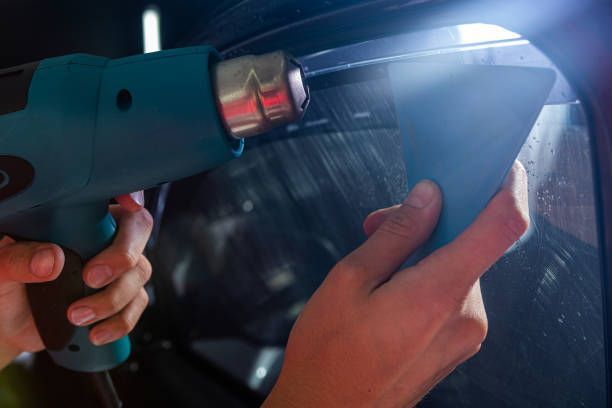
Georgia now requires 28% VLT on front windows and 15% on cars’ rear windows. See limits by vehicle type, penalties, exemptions and how to stay legal.
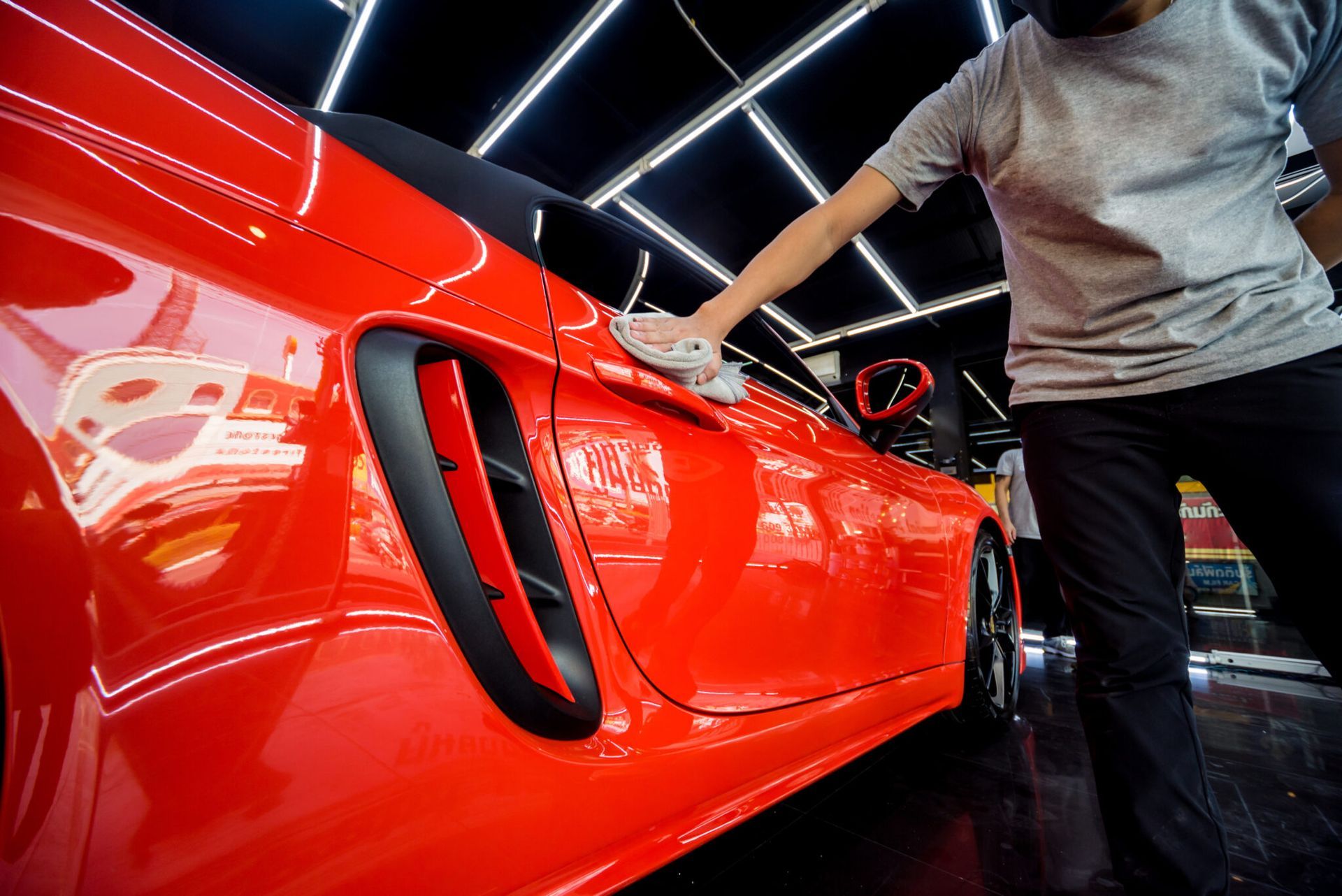
Car owners often face the dilemma of choosing between DIY ceramic coating and professional services. DIY can save money and provide a hands-on experience, but professionals offer expertise and quality that’s hard to match. This article will compare DIY vs. professional ceramic coating, using expert insights and real-world experiences to help you decide the best option for your vehicle. The Cost Factor DIY Costs When considering DIY ceramic coating, the initial investment may seem appealing. A DIY ceramic coating kit typically costs between $50 to $200, depending on the brand and quality. However, that’s just the start. You’ll also need tools like applicator pads, microfiber towels, and potentially a dual-action polisher if you’re serious about getting a smooth finish. These additional tools can add another $100 to $300 to your expenses. Don’t forget the time factor—applying a ceramic coating yourself can take anywhere from several hours to a couple of days, especially if it’s your first time. Professional Costs On the other hand, opting for a professional ceramic coating comes with a higher upfront cost. A professional application can range from $500 to $2,000 or more, depending on the level of service and the size of your vehicle. This price typically includes a thorough paint correction, which is essential for achieving the best results. Professional detailers have the experience and tools necessary to ensure the coating is applied evenly and effectively. Some services might offer additional perks like warranties or maintenance packages, which can add value to your investment. Price alone shouldn’t be your only consideration when choosing between DIY and professional ceramic coating. One Reddit user shared a story about customers who tried DIY coating, only to damage their paint or leave visible streaks. Fixing these mistakes professionally was costly, making the initial DIY savings less attractive in hindsight.
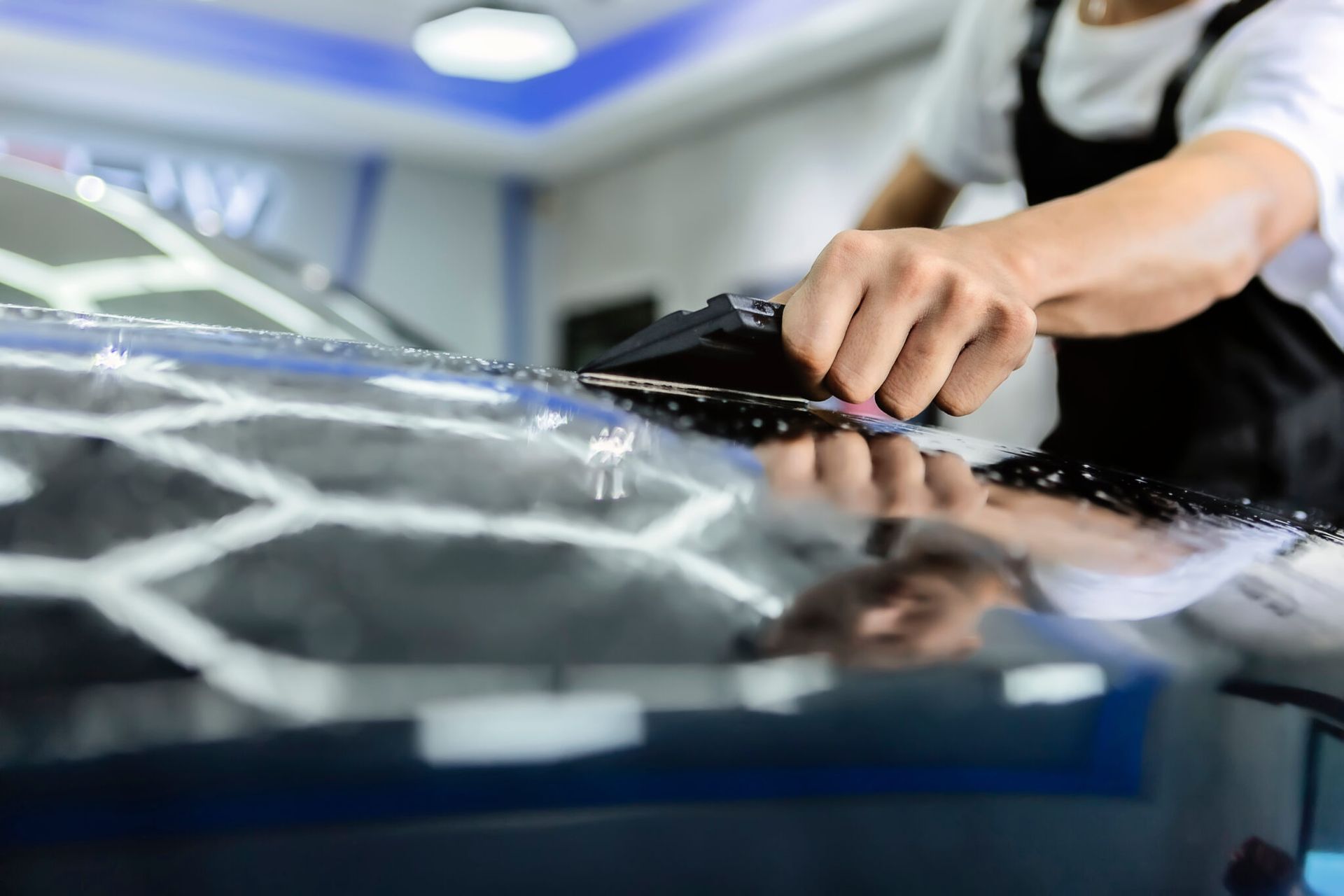
Your car is a big investment, and you want it to stay looking good for as long as possible. But with things like scratches, rock chips, and sun damage, protecting your car’s paint can be a challenge. Two popular solutions are Paint Protection Film (PPF) and Vinyl Wrap. In this article, we’ll compare PPF and Vinyl Wrap to help you decide which option is best for keeping your car in great shape. What Is Paint Protection Film (PPF)? Paint Protection Film (PPF), often called a clear bra, is a thin, transparent urethane film designed to protect your car’s paint from damage. This invisible shield acts as a barrier against everyday hazards like rock chips, scratches, and UV rays, helping to keep your car looking brand new. Key Features Self-Healing Properties : PPF has the unique ability to heal itself. When the film gets scratched or scuffed, exposure to heat helps it return to its original, smooth state, making minor damage virtually disappear. Transparency : PPF is completely transparent, meaning it won’t alter the appearance of your car’s paint. Durability : Made from a durable and flexible material, PPF is designed to withstand the wear and tear of daily driving. Common Uses PPF is especially beneficial for: Luxury and High-Performance Cars : Ideal for those who want to maintain a pristine look. Vulnerable Areas : Commonly applied to the hood, bumper, and side mirrors to protect against road debris. Harsh Environments : Perfect for cars frequently exposed to harsh weather or parked in the sun, providing long-lasting protection. What Is Vinyl Wrap? Vinyl Wrap is a thin, flexible film made from PVC (polyvinyl chloride) that’s applied to the surface of your car to change its appearance. Unlike traditional paint jobs, Vinyl Wrap allows you to customize your vehicle’s look without the need for permanent alterations while not comprising the original factory paint. Key Features Material : Made from durable PVC, Vinyl Wrap is designed to withstand the elements while offering a sleek finish. Variety of Colors and Finishes : Vinyl Wraps come in an extensive range of colors, textures, and finishes—everything from matte and gloss to metallic and carbon fiber—giving you endless possibilities for personalization. Adhesive Properties : The wrap has a specially formulated adhesive that’s safe to apply directly to your car’s paint. It adheres securely but can be removed without damaging the original finish. Common Uses Vinyl Wrap is popular for: Complete Vehicle Makeovers : Easily change the color or design of your entire car without repainting. Partial Wraps : Customize specific parts of your vehicle, such as the roof, hood, or side mirrors, for a unique look. Temporary Customization : Ideal for those who want to experiment with different styles, as it can be removed or replaced with ease. Key Differences Between Paint Protection Film and